
Transitioning to university or TVET college marks one of the biggest milestones in your academic journey. Beyond selecting your courses, deciding where to live sets the stage for your overall success, academic focus, and lifestyle.
1. On-Campus University Accommodation 🏫
On-campus living (dorms, halls, or university-managed residences) keeps you directly within the academic ecosystem. It offers a structured environment designed to support high-school school leavers adjusting to higher education.
Key Advantages
- Zero Commuting: Walk to lectures, libraries, and labs in minutes.
- All-Inclusive Bills: Water, electricity, and high-speed Wi-Fi bundled together.
- Robust Security: Campus access controls, security guards, and House Committee monitoring.
- Academic Support: In-house tutors, peer mentors, and study halls built in.
Potential Drawbacks
- Strict Rules: Curfews, guest restrictions, and strict noise regulations.
- Limited Privacy: Common shared bathrooms and compact bedroom spaces.
- Constant Noise: High density of students can occasionally disrupt quiet study sessions.
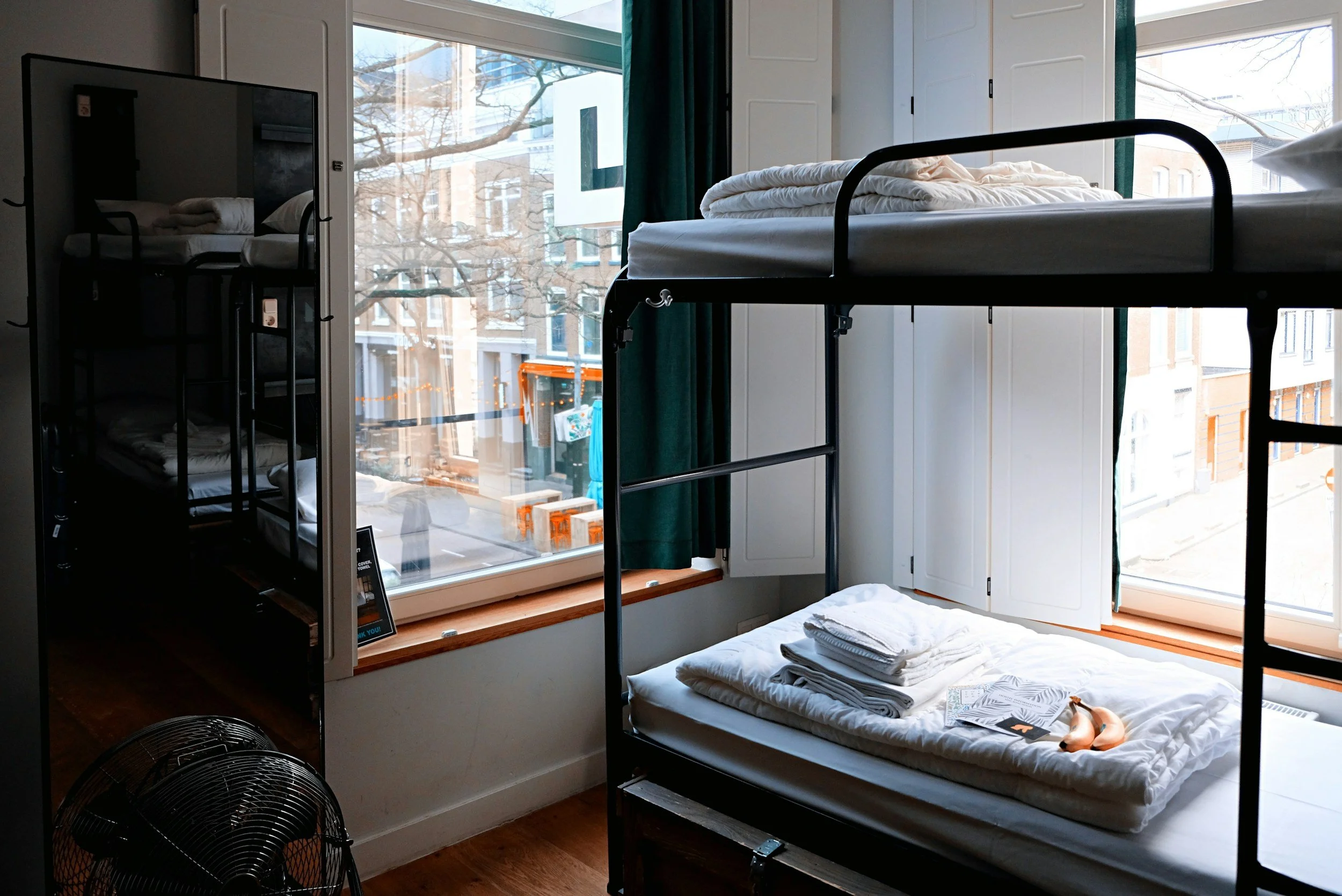
2. Off-Campus Private Accommodation 🏠
Renting private apartments or securing space in accredited off-campus student housing offers personal autonomy, flexibility, and real-world independence.
Key Advantages
- Total Freedom: Personal control over cooking, visitors, decor, and schedule.
- Private Space: More options for single rooms, ensuite bathrooms, or self-contained flats.
- Life Skills: Learn lease management, budgeting, utility management, and independence.
Potential Drawbacks
- Travel Logistics: Travel costs and reliance on public transport or student shuttles.
- Variable Costs: Separate utility bills (prepaid electricity, water) adding up.
- Isolation Risk: Demands intentional effort to remain socially active with campus life.
At-a-Glance Comparison Matrix ⚖️
| Feature | On-Campus Residence | Off-Campus Housing |
|---|---|---|
| Budget & Billing | Predictable fixed fees; inclusive utilities | Variable rent + separate utilities & deposits |
| NSFAS Accreditation | Directly funded & automatically verified | Must select NSFAS-accredited private providers |
| Proximity to Classes | Walking distance (0–10 mins) | Requires shuttle, taxi, or personal transport |
| Independence | Regulated by House Rules and committee | High flexibility and personal governance |
Tips for Finding Your Ideal Housing 🔍
-
1
Start Search Early: Secure application placements as early as August to October preceding your academic year.
-
2
Inspect Facilities Firsthand: Verify safety measures, biometric access, study rooms, and Wi-Fi quality before signing leases.
-
3
Read Leases Carefully: Review terms regarding security deposits, maintenance fees, and early lease termination rules.
Public Universities in South Africa by Province 🇿🇦
Whether looking for on-campus residences or accredited off-campus accommodation, explore all 26 public South African universities grouped by their primary province location:
Gauteng
- University of the Witwatersrand (Wits)
- University of Johannesburg (UJ)
- University of Pretoria (UP)
- Tshwane University of Technology (TUT)
- Sefako Makgatho Health Sciences University (SMU)
- Vaal University of Technology (VUT)
- University of South Africa (UNISA - Main Campus)
Western Cape
- University of Cape Town (UCT)
- Stellenbosch University (SU)
- University of the Western Cape (UWC)
- Cape Peninsula University of Technology (CPUT)
KwaZulu-Natal
- University of KwaZulu-Natal (UKZN)
- Durban University of Technology (DUT)
- University of Zululand (UNIZULU)
- Mangosuthu University of Technology (MUT)
Eastern Cape
- Nelson Mandela University (NMU)
- Rhodes University (RU)
- University of Fort Hare (UFH)
- Walter Sisulu University (WSU)
Free State
- University of the Free State (UFS)
- Central University of Technology (CUT)
Limpopo
- University of Limpopo (UL)
- University of Venda (UNIVEN)
Mpumalanga
- University of Mpumalanga (UMP)
North West
- North-West University (NWU)
Northern Cape
- Sol Plaatje University (SPU)