The Big Decision: Where Will You Live at Res? 🤔
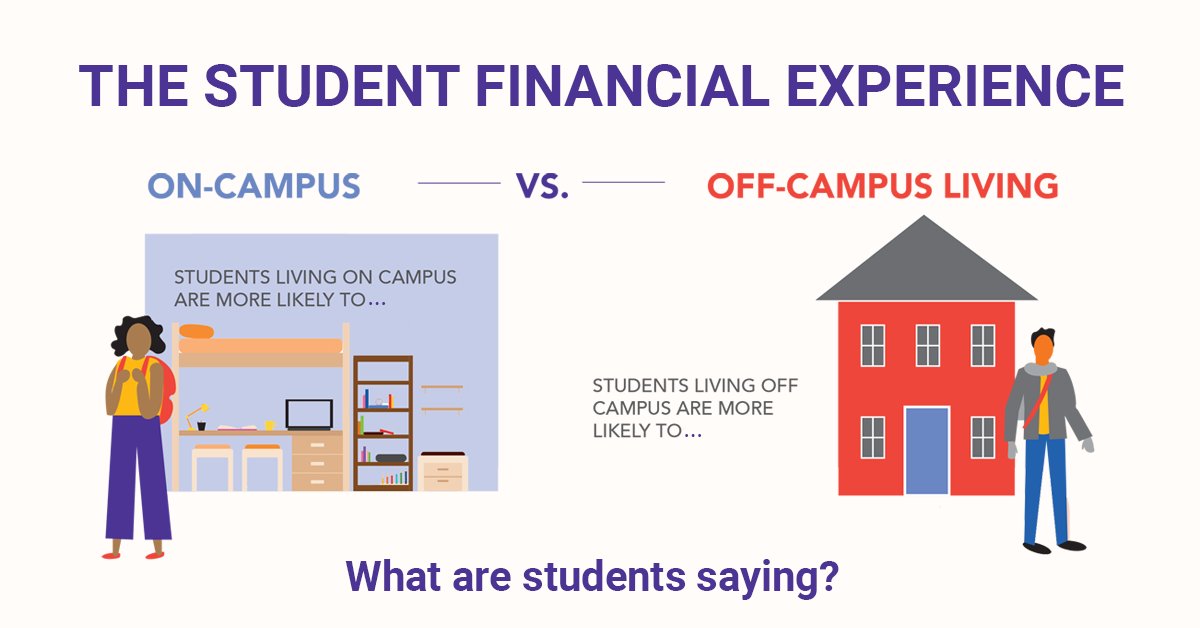
Starting university is an exciting new chapter, filled with academic challenges, social opportunities, and newfound independence. One of the most significant decisions you'll face is where to live. Should you immerse yourself in the vibrant campus life, or opt for the freedom and responsibility of off-campus living? Both options offer unique experiences and come with their own set of benefits and drawbacks. Let's explore them to help you make an informed choice that best suits your needs and aspirations.
On-Campus Accommodation: The Full University Experience 🏫
Living in university residences (dorms or halls) is often seen as the quintessential student experience. It places you right at the heart of academic and social life.
Benefits of On-Campus Living ✨
- Convenience: Easy access to classes, libraries, labs, and campus facilities. No commute means more time for studying or extracurriculars.
- Community & Social Life: Immediate access to a built-in community of fellow students, making it easier to make friends, participate in social events, and feel connected.
- Safety & Security: University residences often have security measures, resident advisors, and emergency support systems in place.
- Support Systems: Access to academic support, counseling services, and peer mentorship within the residence.
- Utilities & Amenities Included: Often, rent covers utilities (electricity, water, internet), and facilities like laundry rooms and common areas are readily available.
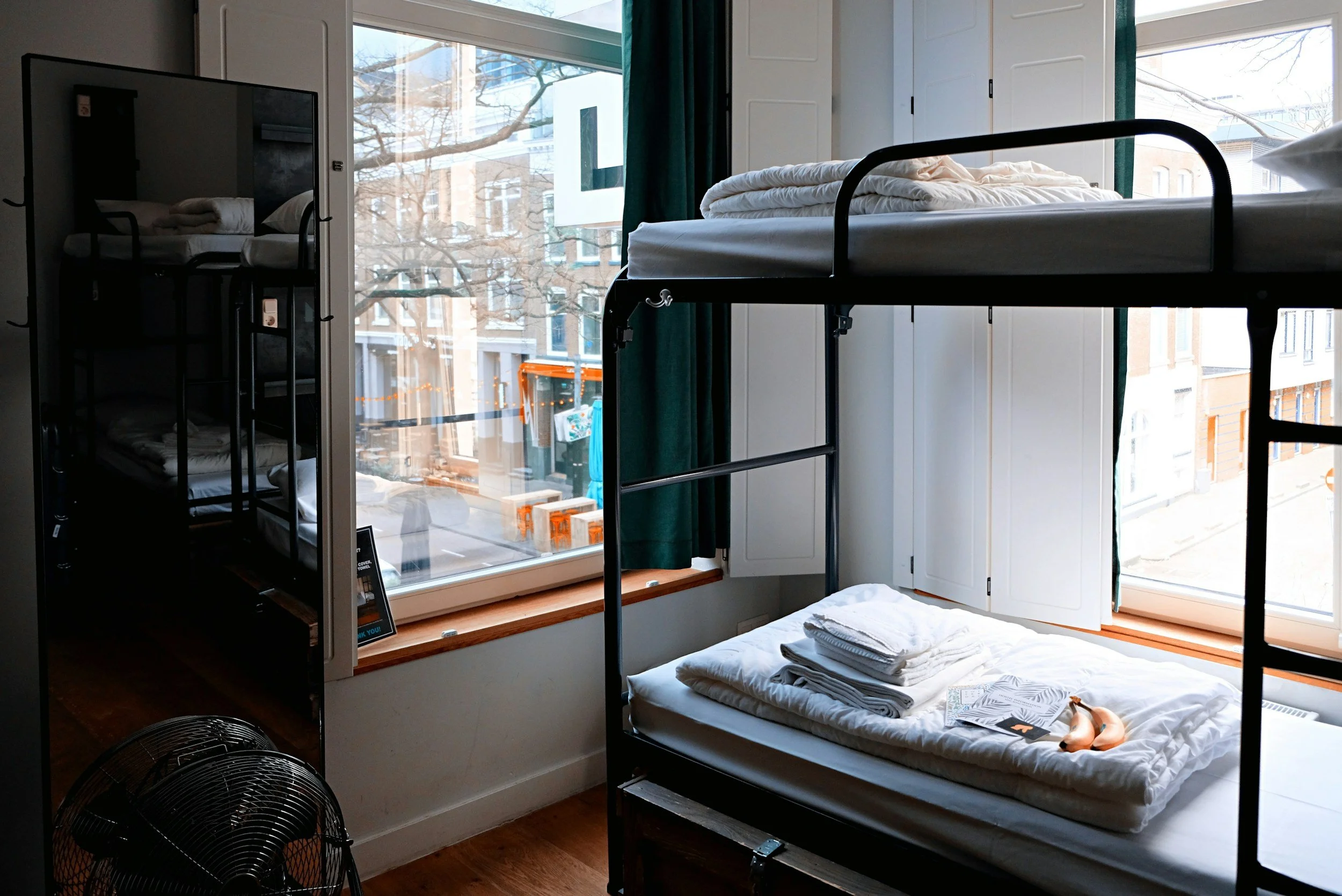
Drawbacks of On-Campus Living 🚧
- Cost: Can sometimes be more expensive than off-campus options, especially when factoring in mandatory meal plans.
- Less Independence: Subject to residence rules, curfews (in some cases), and less control over your living space and daily routine.
- Limited Space & Privacy: Rooms are often small, and sharing living spaces (bathrooms, common areas) is common.
- Distractions: The constant social activity can sometimes make it harder to focus on studies.
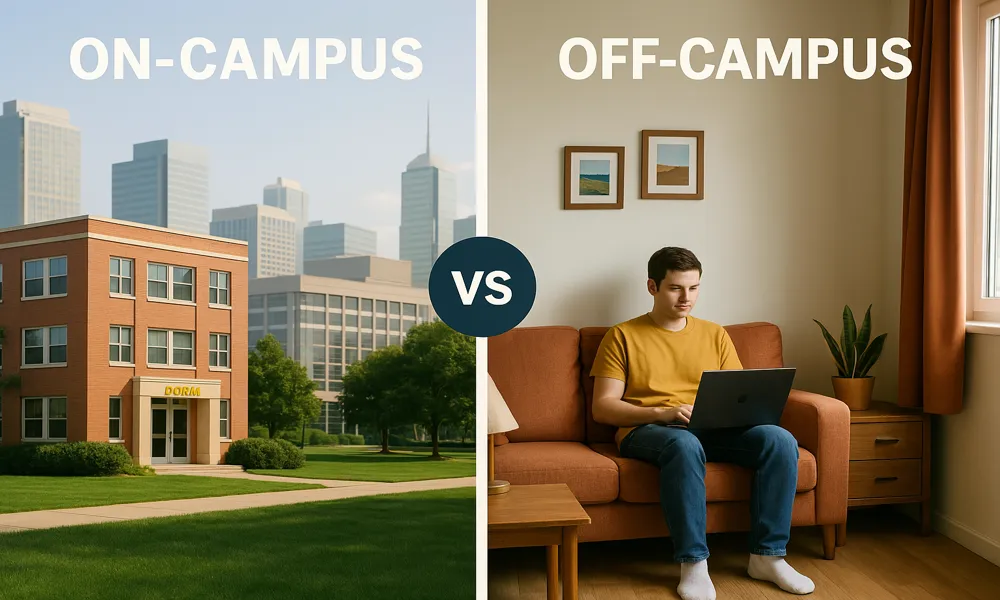
Off-Campus Accommodation: Independence and Real-World Skills 🏠
Opting for private accommodation off-campus, such as renting an apartment or a room in a shared house, offers a different set of experiences.
Benefits of Off-Campus Living 🌟
- Greater Independence: More freedom to set your own rules, decorate your space, and manage your daily life.
- Potential Cost Savings: Rent can sometimes be cheaper, especially if sharing with multiple roommates. You also have more control over your food budget.
- Variety of Options: A wider range of choices in terms of size, style, location, and amenities.
- Real-World Experience: Develop essential life skills like budgeting, paying bills, managing leases, and problem-solving independently.
- Privacy: More personal space and less communal living, which can be ideal for introverts or those who prefer quiet.
Drawbacks of Off-Campus Living ⚠️
- Increased Responsibility: You are responsible for rent, utilities, maintenance, and potentially dealing with landlords.
- Hidden Costs: Beyond rent, you'll need to budget for utilities (electricity, water, internet), groceries, transport, and furniture.
- Commute Time: Depending on location, you might spend more time and money commuting to campus.
- Less Immediate Support: You'll need to actively seek out social connections and support networks, as they aren't built-in.
- Safety Concerns: May vary depending on the neighborhood; requires more personal vigilance.
Key Factors to Consider When Choosing Res ⚖️

To make the best decision, weigh these factors carefully:
- Budget: Calculate all potential costs for both options (rent, utilities, food, transport, books, personal expenses).
- Lifestyle: Are you highly social and thrive in a bustling environment, or do you prefer quiet and independence?
- Proximity to Campus: How important is it to be close to your classes and university facilities? Consider travel time and costs.
- Safety & Security: Research crime rates in off-campus areas and inquire about security measures in on-campus residences.
- Support Systems: Do you need immediate access to university support services, or are you comfortable navigating resources independently?
- Academic Needs: Does your chosen accommodation offer a conducive environment for studying?
- Personal Growth: Are you ready for the responsibilities and independence that come with off-campus living?
Tip: Don't rush! Visit potential accommodations, talk to current students, and create a detailed budget for both on-campus and off-campus scenarios before making your final choice.
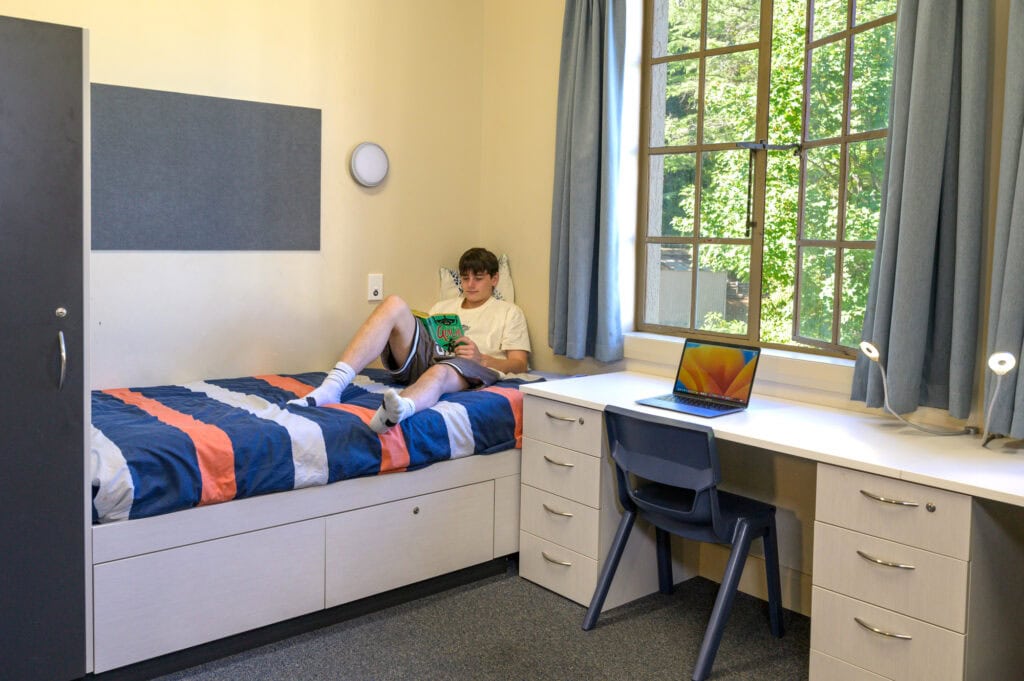
Tips for Finding Your Ideal Spot 🔍
- Start Early: Popular accommodations fill up fast. Begin your search months before the academic year starts.
- Research Thoroughly: Look at online listings, university accommodation offices, and local real estate agents.
- Visit (if possible): If you can, visit the properties in person to get a real feel for the space and neighborhood.
- Read Contracts Carefully: Understand all terms, conditions, and hidden fees before signing any lease.
- Consider Roommates: Sharing accommodation can significantly reduce costs and offer companionship. Choose wisely!
- Check Transport Options: If living off-campus, ensure there's reliable and affordable transport to and from the university.
Your Home Away From Home 🏠💖
Choosing between on-campus and off-campus accommodation is a personal decision with a significant impact on your university experience. There's no single "right" answer; it depends on your financial situation, personality, academic needs, and desired level of independence. By carefully considering all factors and doing your research, you can find the perfect home away from home that supports your success and well-being throughout your academic journey.
Additional Resources 🔗
Other Articles You Can Read 📖