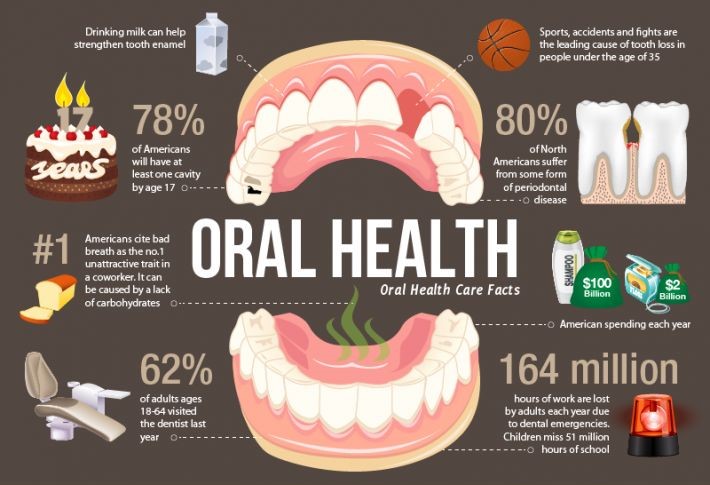
Understanding Tonsil Stones and Prevention
Tonsil stones, while often benign, can be a nuisance. Preventing their formation is often preferable to treating them. This guide explores effective strategies to minimize their occurrence.
Key Prevention Strategies
-
Maintain Excellent Oral Hygiene
Good oral hygiene is paramount. This involves:
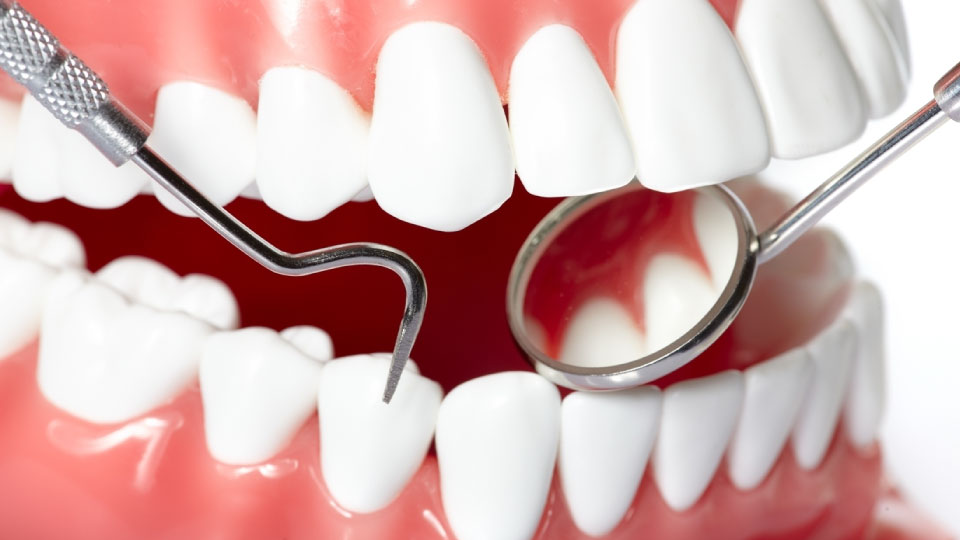
- Regular Brushing: Brush your teeth at least twice a day, paying attention to the gumline and tongue.
- Flossing Daily: Flossing removes food particles and debris from between teeth, preventing them from migrating to the tonsils.
- Tongue Scraping: Use a tongue scraper to remove bacteria and debris from the surface of your tongue. This can significantly reduce bacterial buildup in the mouth.
-
Gargle Regularly with Salt Water
Gargling with warm salt water is a simple yet effective way to prevent tonsil stone formation. Salt water helps to:
- Reduce bacteria in the mouth
- Flush out debris from tonsil crypts
- Promote healing of any minor irritation
-
Stay Hydrated
Adequate hydration is crucial. Drinking plenty of water helps to:
- Increase saliva production, which naturally cleanses the mouth
- Prevent the accumulation of thick mucus, which can trap debris
- Flush out any dislodged material from the tonsils
-
Watch Your Diet
Certain foods may contribute to tonsil stone formation in some individuals. Consider limiting:
- Dairy Products: Milk, cheese, and yogurt can increase mucus production, potentially trapping debris.
- Sugary Foods: Sugar promotes bacterial growth, which can contribute to tonsil stone formation.
- Refined Carbohydrates: White bread, pasta, and processed foods can also contribute to bacterial growth.
-
Consider a Water Flosser
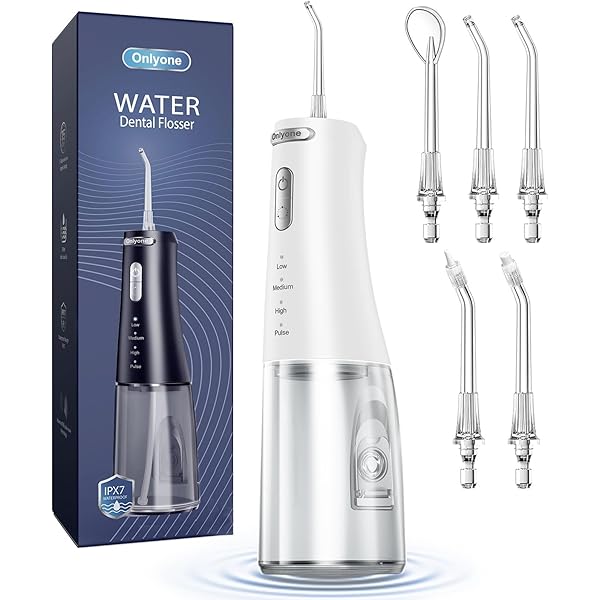
A low-pressure water flosser can be used to gently irrigate the tonsil crypts and dislodge any trapped debris. Use the lowest setting to avoid damaging the tonsil tissue. This can be a helpful tool for individuals prone to tonsil stones.
-
Avoid Smoking and Excessive Alcohol
Both smoking and excessive alcohol consumption can irritate the tonsils and contribute to the development of tonsil stones. Quitting smoking and moderating alcohol intake can be beneficial.
Additional Tips and Considerations
- Regular Dental Checkups: Professional dental cleanings can remove plaque and tartar, reducing the overall bacterial load in your mouth.
- Identify and Address Allergies: Postnasal drip from allergies can contribute to mucus buildup in the throat, increasing the risk of tonsil stones. Consult an allergist if you suspect allergies are a contributing factor.
- Pay Attention to Oral Hygiene After Eating: Make it a habit to rinse your mouth or gargle with water after meals, especially after consuming foods that are more likely to contribute to tonsil stone formation.
- Consider Probiotics: Some studies suggest that probiotics may help to balance the oral microbiome and reduce the risk of tonsil stones, but more research is needed.
When Prevention Isn't Enough
While these preventive measures can significantly reduce the occurrence of tonsil stones, some individuals may still experience them due to their unique tonsil anatomy. If you continue to get tonsil stones despite diligent prevention, consult an ENT (Ear, Nose, and Throat) doctor. They can assess your situation and recommend appropriate treatment options.
In some cases, if the tonsil stones are large, frequent, and causing significant symptoms, your doctor might recommend procedures like:
- Tonsil cryptolysis: A procedure to reduce the size of the tonsil crypts.
- Tonsillectomy: Surgical removal of the tonsils (for severe, recurrent cases).