Exploring the Foundations of Financial Security
Published: July, 2025
The concept of “wealth” has evolved dramatically throughout history. For centuries, it was inextricably linked to tangible assets: fertile land, thriving herds of livestock, and bountiful harvests. Today, the financial landscape is far more complex, with the stock market representing a vast, often intangible, realm of potential riches.
So, where does true wealth lie in the modern era? Is it still rooted in the earth and its creatures, or has it migrated entirely to the digital tickers of Wall Street? Let’s delve into the unique characteristics of each to find out.
Land: The Timeless Asset 🏞️
“Buy land, they’re not making any more of it,” goes the old adage, and for good reason. Land, whether agricultural, residential, or commercial, has been a foundational store of wealth for millennia.
Stability & Tangibility: Land is a physical asset that cannot be destroyed or easily stolen. It provides a sense of security and permanence.
Appreciation Potential: Historically, land tends to appreciate in value over the long term, especially in developing areas or desirable locations.
Income Generation: Rental income from properties or agricultural produce from farms can provide a steady cash flow.
Inflation Hedge: Real estate often performs well during periods of inflation, protecting your purchasing power.
However, land also comes with its challenges: it’s illiquid (hard to sell quickly), requires maintenance, and can be subject to property taxes and market downturns.
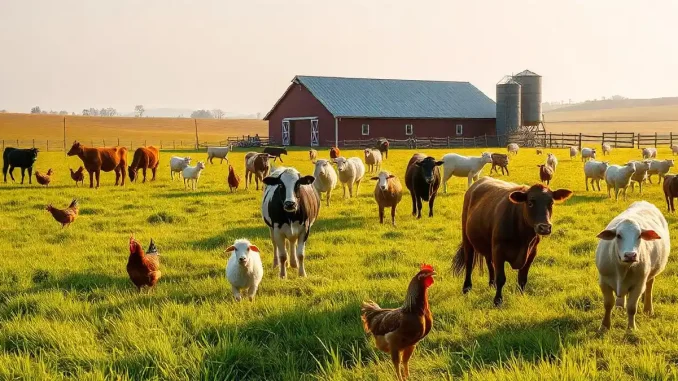
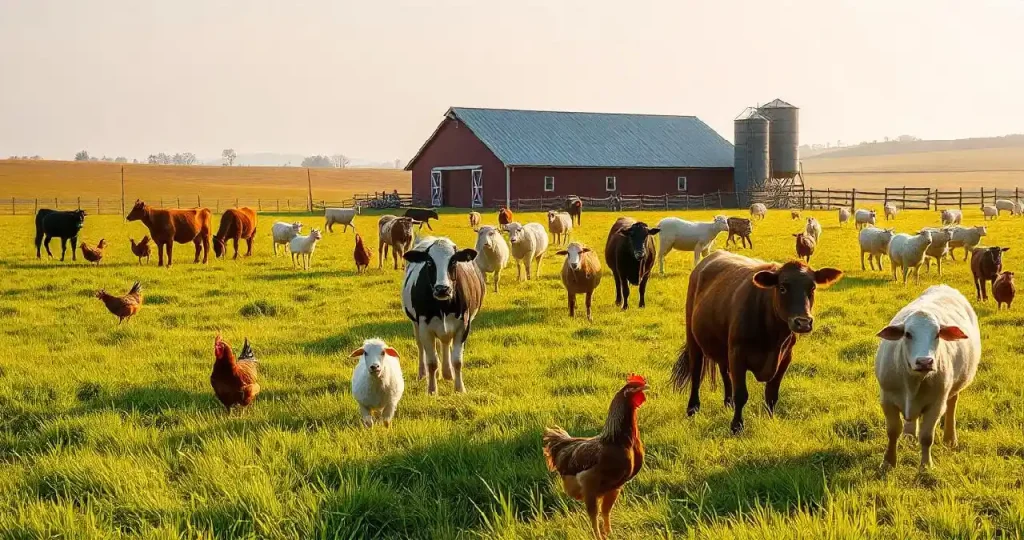
Vast green fields with a farmhouse, symbolizing land as wealth.
The enduring value of owning a piece of the earth.
Livestock: Living Capital 🐄🐑
For many cultures, particularly in rural and agricultural communities, livestock represents living capital. A herd of cattle, sheep, or goats provides immediate resources and a pathway to economic stability.
Food Security: Provides direct access to meat, milk, and other animal products.
Income Generation: Animals can be sold for profit, their products (dairy, wool) can be marketed, and they can provide labor (e.g., oxen).
Reproductive Growth: A healthy herd grows over time, increasing its value through natural reproduction.
Cultural & Social Value: In many societies, livestock also holds significant cultural and social status.
The downsides include vulnerability to disease, weather, theft, and the significant labor and resources required for their care. Market prices for livestock can also be volatile.
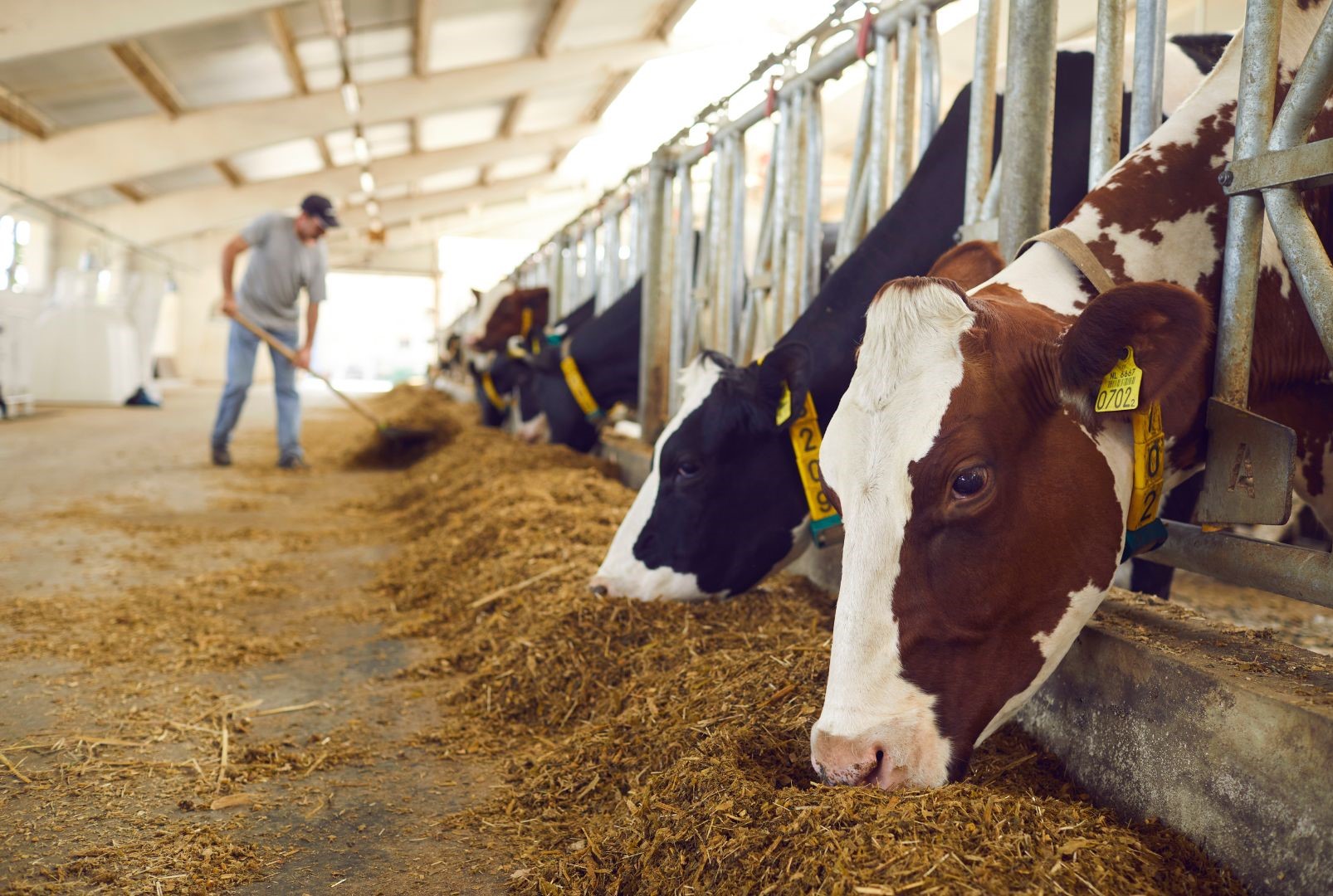
Herd of healthy cattle grazing in a pasture.
Living assets that provide sustenance and income.
[Google AdSense Slot 2: Agricultural Investments]
The Stock Market: Digital Dividends 📈📊
In stark contrast to tangible assets, the stock market represents ownership in companies, traded digitally. It’s the realm of modern finance, offering different avenues for wealth creation.
Liquidity: Stocks can be bought and sold quickly, offering easy access to your capital.
Accessibility: With online brokerage accounts, almost anyone can invest in the stock market with relatively small amounts of capital.
Potential for High Returns: Historically, the stock market has offered higher returns over the long term compared to many other asset classes.
Diversification (within stocks): You can invest in a wide range of companies across different industries and geographies.
However, the stock market is also prone to volatility, requiring a good understanding of market dynamics and a tolerance for risk. It lacks the tangibility of land or livestock, and its value can fluctuate significantly based on economic news and company performance.

Stock market graph with upward trend and digital interface.
The dynamic world of digital investments.
[Google AdSense Slot 3: Financial Planning Services]
The Verdict: Diversification is Key 🔑
So, which holds the “real wealth”? The truth is, there’s no single answer. Each asset class—land, livestock, and the stock market—offers unique advantages and disadvantages.
True financial security and wealth building often come from a diversified portfolio that strategically combines different asset classes. This approach helps to mitigate risk and capture growth opportunities from various sectors of the economy. For example:
A foundation in land can provide stability and a hedge against inflation.
Livestock might appeal to those seeking direct involvement in agriculture or food security.
The stock market offers liquidity and potential for significant capital appreciation.
Ultimately, “real wealth” is also deeply personal. It’s about aligning your investments with your financial goals, risk tolerance, and personal values. Whether you prefer the tangible security of land, the living capital of livestock, or the dynamic potential of the stock market, understanding each option is the first step towards building the wealth that truly matters to you.
Quick Links
Home
Investment Resources
Recent Job posts
SA Youth Learnerships
Sports and Entertainment
Financial Planning
Leave a Reply