
Why Personal Growth Matters

The journey of life is about continuous evolution. Personal growth is the process of self-improvement, where you develop your skills, mindset, and overall well-being. It's essential because it helps you to:
- Increase self-awareness
- Build resilience to overcome challenges
- Improve relationships
- Unlock your full potential
- Find greater meaning and purpose
Understanding Your Starting Point
Self-Assessment
The first step in any growth journey is understanding where you are now. This involves honest self-reflection in key areas of your life:
- Strengths: What are you naturally good at? What positive qualities do you possess?
- Weaknesses: What areas could use improvement? What negative patterns do you tend to repeat?
- Values: What is truly important to you? What principles guide your decisions and actions?
- Passions: What activities make you feel most alive and engaged? What do you love to do?
- Goals: What do you want to achieve in the short-term and long-term? What is your vision for the future?
Seeking Feedback

While self-reflection is crucial, it's also important to get an outside perspective. Seek constructive criticism from people you trust:
- Friends and family: They can offer insights into how you interact with others and your general demeanor.
- Mentors or teachers: They can provide guidance based on their experience and expertise.
- Colleagues: They can give you valuable feedback on your work ethic and professional skills.
Setting Meaningful Goals
The Power of Goal Setting

Goals give you direction, focus, and motivation. They turn your dreams into actionable steps. Effective goal-setting involves:
- Clarity: Define exactly what you want to achieve.
- Specificity: Make your goals as detailed as possible.
- Measurability: Establish concrete criteria to track your progress.
- Achievability: Set goals that are challenging but still within your reach.
- Relevance: Ensure your goals align with your values and overall vision.
- Time-bound: Give yourself a deadline to create a sense of urgency.
Types of Goals
Your goals can encompass various aspects of your life:
- Personal Goals: Related to your character, habits, and well-being (e.g., develop more patience, practice gratitude daily).
- Relationship Goals: Focused on improving your connections with others (e.g., communicate more effectively, be more empathetic).
- Career Goals: Pertaining to your professional life and ambitions (e.g., acquire a new skill, get a promotion).
- Financial Goals: Related to your financial stability and wealth (e.g., save a certain amount, become debt-free).
- Health and Fitness Goals: Focused on improving your physical and mental health (e.g., exercise regularly, eat healthier).
Taking Action and Building Positive Habits
The Importance of Consistent Action
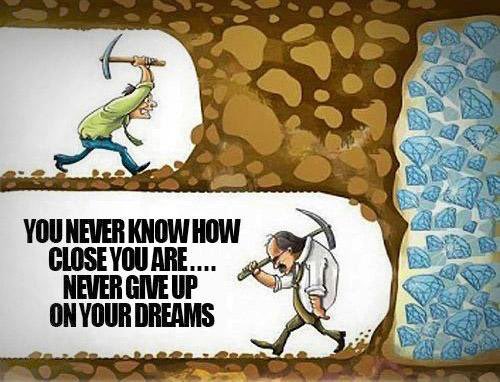
Goals without action are just dreams. Consistent action, even in small steps, is what leads to real progress.
- Break down goals: Divide large goals into smaller, more manageable tasks.
- Create a plan: Develop a step-by-step plan outlining the actions you need to take.
- Time management: Allocate specific time slots for working on your goals.
- Prioritize: Focus on the most important tasks that will have the biggest impact.
- Overcome procrastination: Identify the reasons behind your procrastination and find strategies to combat it.
Cultivating Positive Habits
Habits shape your life. Developing positive habits is crucial for long-term success and well-being.
- Start small: Begin with one or two habits and gradually add more.
- Be consistent: Practice your habits daily, even if it's just for a few minutes.
- Use cues and rewards: Trigger your habits with specific cues and reward yourself for completing them.
- Track your progress: Use a habit tracker to monitor your consistency and stay motivated.
- Be patient: Habits take time to form, so don't get discouraged if you don't see results immediately.
Embracing Challenges and Overcoming Obstacles
The Inevitability of Challenges

The path to becoming a better version of yourself is not always smooth. You will inevitably encounter challenges, setbacks, and obstacles. It's how you respond to these challenges that defines you.
- Change your perspective: View challenges as opportunities for growth and learning.
- Develop resilience: Learn to bounce back from adversity and recover quickly from setbacks.
- Seek support: Don't be afraid to ask for help from friends, family, or mentors.
- Learn from failure: Analyze your mistakes, extract the lessons, and use them to improve.
- Persist: Don't give up easily. Keep pushing forward, even when things get difficult.
Developing a Growth Mindset
Your mindset plays a significant role in your ability to overcome challenges and achieve your goals. A growth mindset is the belief that your abilities and intelligence can be developed through hard work, dedication, and learning.
- Embrace challenges: See them as opportunities to stretch your abilities.
- Value effort: Recognize that hard work is essential for mastery.
- Learn from criticism: Use feedback to improve your performance.
- Be inspired by others' success: See their achievements as a source of motivation, not intimidation.
- Believe in your potential: Have faith in your capacity to grow and improve.
Continuous Learning and Self-Improvement
The Lifelong Journey of Learning
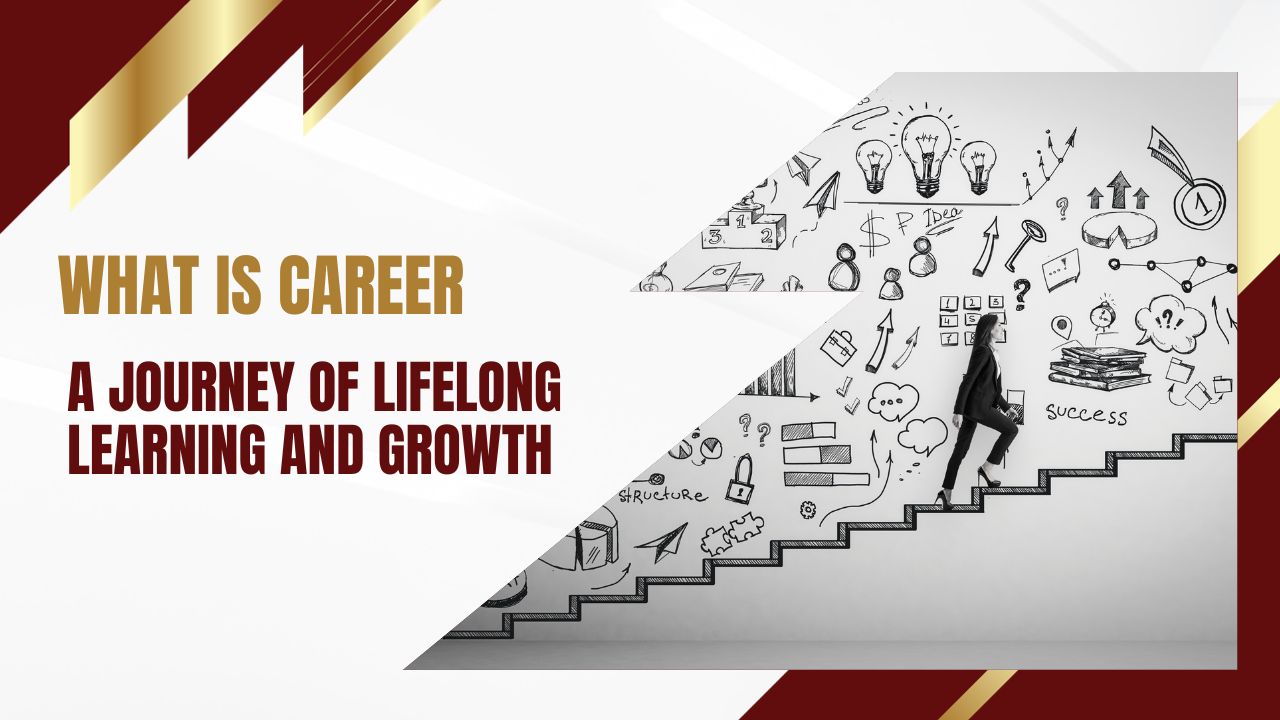
Becoming a better version of yourself is not a destination, but a lifelong journey. Embrace a mindset of continuous learning and self-improvement.
- Read books: Expand your knowledge and gain new perspectives.
- Take courses: Develop new skills and deepen your expertise.
- Attend workshops and seminars: Learn from experts and network with like-minded individuals.
- Seek new experiences: Step outside your comfort zone and broaden your horizons.
- Reflect regularly: Take time to review your progress, identify areas for improvement, and adjust your path as needed.
The Power of Reflection
Regular reflection allows you to gain valuable insights from your experiences, track your progress, and make necessary adjustments. Here are some reflection practices:
- Journaling: Write down your thoughts, feelings, and experiences.
- Meditation: Practice mindfulness to become more aware of your inner state.
- Self-evaluation: Periodically assess your progress towards your goals and identify areas where you can improve.
- Feedback review: Analyze the feedback you receive from others and use it to refine your approach.
Conclusion: Embrace the Journey to Greatness
The path to becoming a better version of yourself and achieving greatness is a continuous process of self-discovery, growth, and action. It requires a commitment to lifelong learning, a willingness to embrace challenges, and the courage to step outside your comfort zone. Embrace the journey, celebrate your progress, and never stop striving to reach your full potential. Remember that greatness is not a destination, but a journey of continuous growth and self-improvement.